The energy sector is on the cusp of a transformative leap as geothermal power generation enters its next evolutionary phase. At the heart of this revolution lies an unexpected protagonist: supercritical carbon dioxide (sCO₂). What was once considered a problematic greenhouse gas is now emerging as the key to unlocking geothermal energy's full potential, thanks to groundbreaking advances in turbine technology.
For decades, geothermal power plants have relied on conventional steam turbines to convert Earth's heat into electricity. While effective, these systems face inherent limitations in efficiency, scalability, and geographical flexibility. The introduction of sCO₂ turbines promises to shatter these barriers, offering a technological paradigm shift that could make geothermal energy competitive with fossil fuels in ways previously unimaginable.
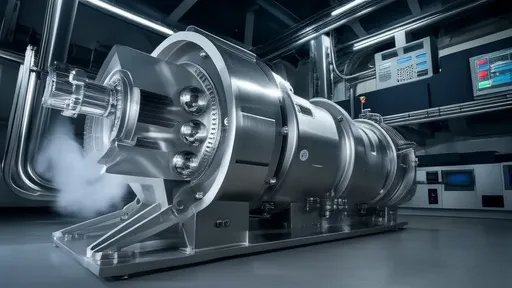
The physics behind supercritical CO₂ provides the foundation for this breakthrough. When carbon dioxide is heated above 31°C and pressurized beyond 73 atmospheres, it enters a supercritical state exhibiting properties of both liquid and gas. This peculiar phase allows sCO₂ to carry significantly more energy than steam while flowing with less resistance through turbine systems. The result? Smaller, more efficient power generation units that can extract more electricity from lower-temperature heat sources.
Traditional geothermal plants require underground reservoirs of water heated above 150°C to produce sufficient steam for power generation. The sCO₂ turbines, by contrast, can operate efficiently at temperatures as low as 80°C. This dramatically expands potential geothermal development areas, potentially enabling economical power generation in regions previously considered geothermally marginal.
What makes the sCO₂ approach truly revolutionary is its closed-loop design. Unlike conventional systems that constantly consume water, these new turbines recirculate the same CO₂ indefinitely. The gas never contacts the atmosphere during normal operations, making the process carbon-neutral. This addresses two critical environmental concerns simultaneously: reducing water usage in energy production while preventing additional greenhouse gas emissions.
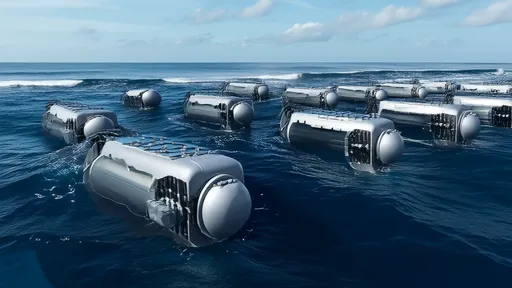
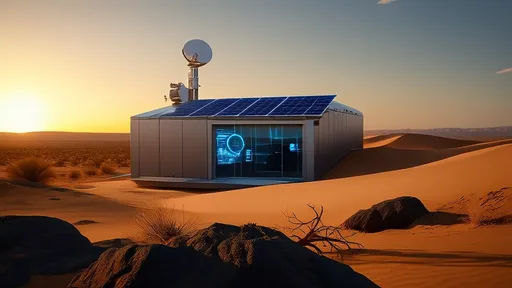
The compact nature of sCO₂ turbine systems opens surprising possibilities for geothermal deployment. A unit capable of powering several thousand homes could fit inside a standard shipping container, allowing for modular plant designs that can be scaled according to need. This portability factor could prove particularly valuable for remote communities and industrial applications where traditional power infrastructure remains impractical or prohibitively expensive.
Several pilot projects across the globe are already demonstrating the technology's viability. In the United States, the Department of Energy has partnered with private firms to test sCO₂ geothermal systems in various geological settings. Early results suggest efficiency improvements of 20-30% over conventional geothermal plants, with corresponding reductions in both physical footprint and levelized energy costs.
The implications extend beyond just cleaner electricity generation. sCO₂ turbines could potentially revolutionize how we think about industrial waste heat recovery. Manufacturing facilities, data centers, and other thermal-intensive operations might install these systems to convert their excess heat into additional power, creating new revenue streams while improving overall energy efficiency.
Technical challenges remain before widespread adoption can occur. Materials science represents a particular hurdle, as the high pressures and temperatures involved require innovative alloys and composites that can withstand extreme conditions over decades of continuous operation. Researchers are exploring various nickel-based superalloys and ceramic coatings that show promise in meeting these demanding specifications.
The economic case for sCO₂ geothermal continues to strengthen as the technology matures. Projections suggest that within a decade, these systems could deliver electricity at costs competitive with natural gas plants while offering the reliability and sustainability advantages of renewable energy. This economic viability, combined with growing policy support for clean energy solutions, is attracting significant investment from both traditional energy companies and venture capital firms.
Perhaps most exciting is the potential synergy between sCO₂ geothermal and other emerging technologies. The same turbine designs could theoretically be adapted for concentrated solar power applications or even advanced nuclear reactor cooling systems. Such cross-pollination of clean energy technologies could accelerate the global transition away from fossil fuels more rapidly than any single solution working in isolation.
As climate change concerns intensify and nations scramble to meet ambitious decarbonization targets, geothermal 2.0 arrives at a critical moment. The sCO₂ turbine revolution represents more than just an incremental improvement in renewable energy technology—it offers a fundamentally new approach to harnessing Earth's natural heat that could reshape our energy landscape for generations to come.
The coming years will prove decisive as researchers refine designs, engineers tackle material challenges, and early adopters demonstrate real-world performance. One thing appears certain: the marriage of geothermal energy with supercritical CO₂ technology marks the beginning of an exciting new chapter in humanity's quest for sustainable power.
By /Jul 9, 2025
By /Jul 9, 2025

By /Jul 9, 2025
By /Jul 9, 2025
By /Jul 9, 2025

By /Jul 9, 2025

By /Jul 9, 2025

By /Jul 9, 2025

By /Jul 9, 2025

By /Jul 9, 2025
By /Jul 9, 2025

By /Jul 9, 2025

By /Jul 9, 2025
By /Jul 9, 2025

By /Jul 9, 2025
By /Jul 9, 2025
By /Jul 9, 2025

By /Jul 9, 2025